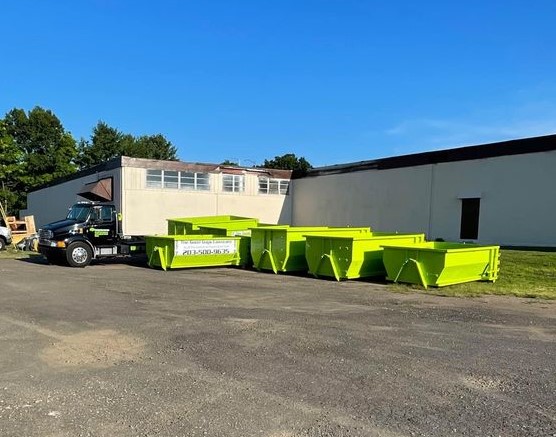
Undertaking a large renovation, home cleanout, or construction task can feel thrilling yet overwhelming. Effectively managing your project requires careful planning for proper debris disposal. Neglecting to organize waste disposal can create a messy worksite, hindering productivity and safety. Properly estimating the dumpster size ensures your project stays organized, efficient, and hazard-free.
At The Good Guys Dumpster Rental LLC, we assist clients in planning their waste disposal effectively. We help determine how much waste will be produced and the type of materials to ensure the right dumpster is chosen. From residential cleanouts to kitchen remodels or larger construction work, we provide expert advice for a seamless rental experience. We are committed to making waste disposal simple, safe, and effective for every client.
Evaluating the Scope of Your Project
Start by examining all aspects of your project to determine dumpster requirements. Take into account all spaces generating waste, including rooms and work areas. Are you dealing with furniture, cabinets, or old flooring removal? Or are you dealing with demolition from a construction project? Understanding the scale and nature of the project helps identify how much space will be required in the dumpster and prevents surprises later on.
Breaking your project into smaller, manageable tasks can help clarify the overall volume of waste. If several spaces are being renovated, estimate the debris for each one separately. This method ensures precise planning and may eliminate the need for extra containers. Careful evaluation keeps the worksite organized, safe, and free from debris-related hazards.
Understanding Your Project Materials
Understanding the materials involved helps determine the most suitable container. Household cleanouts often involve furniture, appliances, and miscellaneous items, while renovation projects might include drywall, wood, or tiles. Construction work can produce heavier materials like concrete, metal, and roofing debris, which may require reinforced containers to handle the weight safely.
Recognizing material types also allows for safer and more organized disposal. Certain items, like electronics or hazardous substances, need special handling and cannot be placed in a standard dumpster. Considering these needs prevents overflowing and maintains compliance with local regulations. Awareness of material types helps utilize website space efficiently and minimizes risk.
Calculating Debris Volume
After identifying the materials, estimating the volume of waste is the next critical step. Think about the volume each part of the project will create and whether items can be broken down. For example, dismantling furniture or breaking down large boards can create more space and reduce the overall volume. Properly estimating volume guarantees the container can hold everything and prevents multiple pickups.
It’s helpful to list all items and approximate the space each will take up. Consider how items will be stacked to maximize space. Pre-planning loading strategies helps avoid exceeding capacity. Estimating correctly protects your team and site from hazards while saving time.
Factoring in Project Length
The length of your project plays a significant role in selecting a dumpster. Some projects create debris steadily over time, whereas others generate large amounts quickly. Understanding your timeline allows you to choose a container that will accommodate your debris throughout the duration of the project. Proper scheduling ensures efficiency and an organized workspace.
Aligning container drop-off and pickup with your project timeline is important. By scheduling the container to arrive before work begins and arranging timely pickup, you avoid clutter and maintain efficiency. Matching the dumpster rental to your project timeline keeps your team focused and minimizes delays. Well-planned scheduling promotes a seamless and productive project flow.
Project-Specific Dumpster Requirements
Certain projects require special attention when selecting a dumpster. Roofing and demolition work can produce bulky or heavy materials requiring reinforced dumpsters. Landscaping can create bulky organic waste, which may require a larger or taller container. Recognizing these specific needs allows you to choose a container suitable for your debris.
Proper planning for special project requirements helps maintain a safe and efficient worksite. Taking into account material weight, size, and placement can prevent accidents and improve overall project workflow. Our team provides advice and guidance to make sure that each dumpster meets the specific demands of your project. This tailored approach makes waste management easier and keeps your work area organized throughout every phase of the project.
How to Use Your Dumpster Effectively
Properly utilizing your container improves overall project efficiency. Break down bulky items and stack them strategically to save space. Stack heavy debris first, followed by lighter items to optimize capacity. Do not put hazardous or restricted items in the dumpster to maintain safety.
We share tips to help you use your dumpster to its full potential. Proper placement, stacking techniques, and organized loading help you get the most out of your rental. Applying these strategies can prevent the need for extra dumpsters and streamline disposal. Smart dumpster management keeps the site organized and allows the team to work efficiently.
Coordinating Several Projects Efficiently
Handling multiple concurrent projects requires strategic planning for waste management. You may need individual dumpsters for different types of materials to avoid cross-contamination and maintain compliance. Advanced planning helps assign the appropriate container to each project and maintain order.
We can assist in coordinating multiple dumpsters to fit your schedule and project needs. Planning the placement of each dumpster prevents confusion and keeps work areas clear. Coordinating dumpsters effectively minimizes debris issues and improves overall safety. Strategic organization contributes to a more efficient and manageable workflow.
Steps for Effective Dumpster Planning
Choosing the correct dumpster ensures your site remains safe, clean, and well-managed. Consider the scope of your project, the types of materials involved, the volume of debris, and your project timeline. Pay attention to special considerations and loading techniques to maximize efficiency. Partnering with The Good Guys Dumpster Rental LLC while following these guidelines ensures efficient and organized waste handling throughout your project.